
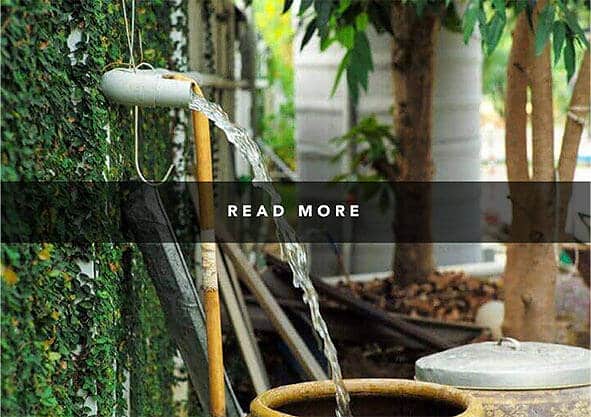
In a water-conscious city like Singapore, implementing effective water conservation in homes is both environmentally responsible and a practical long-term cost saving measure. For individuals eyeing a landed house investment, integrating smart water-saving technologies and practices from the outset can create a more sustainable and efficient living environment.
Here are some sustainable water management strategies private home owners can explore:
1. Installing a Rainwater Harvesting System
Rainwater harvesting systems typically involve collecting rainwater from rooftops through a network of gutters and pipes. This collected water is then filtered to remove debris and stored in a tank for later use, which is a great way to conserve water at home.
However, homeowners should bear in mind that any rainwater harvesting systems in Singapore need to be designed by a Qualified Person and approved for use by the Public Utilities Board (PUB). There are stipulated regulations for the collection and discharge of rainwater, notably to avoid mosquito breeding or contamination of public facilities. Moreover, harvested rainwater is only allowed for non-potable use such as watering plants in your garden, flushing toilets, or washing your car.
2. Adopting the Practice of Greywater Recycling

Another innovative approach to water conservation in homes is greywater recycling.
Greywater refers to relatively clean wastewater generated from bathroom sinks, showers, and washing machines (excluding wastewater from toilet bowls, urinals, kitchen sinks, and dishwashers). Greywater recycling systems collect this water, treat it to remove impurities, and then reuse it for non-potable applications.
Though not as strict as the regulations on rainwater harvesting, there are still some safety requirements to be met when using greywater. Mainly, it has to be filtered through a membrane for disinfection prior to use, and its uses in home settings are strictly non-potable and limited to toilet flushing, general washing and irrigation.
3. Installing Water-Efficient Fixtures Indoor and Outdoor
If you prefer a less intensive approach to water conservation at home than rainwater harvesting or greywater recycling, look no further than the appliances around you. Simple upgrades to your household fixtures can make a substantial difference when considering how to save water at home.
For instance, installing low-flow showerheads, faucets, and toilet bowls (water closets) significantly reduces water consumption without compromising performance or daily living. These fixtures are readily available in Singapore and typically marked with Water Efficiency Labelling Scheme (WELS) ratings to differentiate their increased water efficiency. Homeowners can even use their Climate Vouchers to offset the cost of eligible products.
Another option, particularly for avid gardeners or landscapers, is to install smart irrigation systems around your residence. These systems can utilise sensors and weather data to optimise watering schedules, ensuring that your plants receive sufficient nourishment they need while conserving water. Whether you’re a fan of biophilic design or creative landscape designs, these systems can make beautifying your property effortless.
Embrace Sustainability through Effective Water Conservation at Home
Implementing these water conservation techniques in your home not only helps to reduce your utility bills but also contributes to a more sustainable lifestyle.
As a forward-thinking landed developer in Singapore, Brand New Land recognises the importance of sustainable water management within our residences. Contact us today to discuss sustainability measures for your new landed property in Singapore.